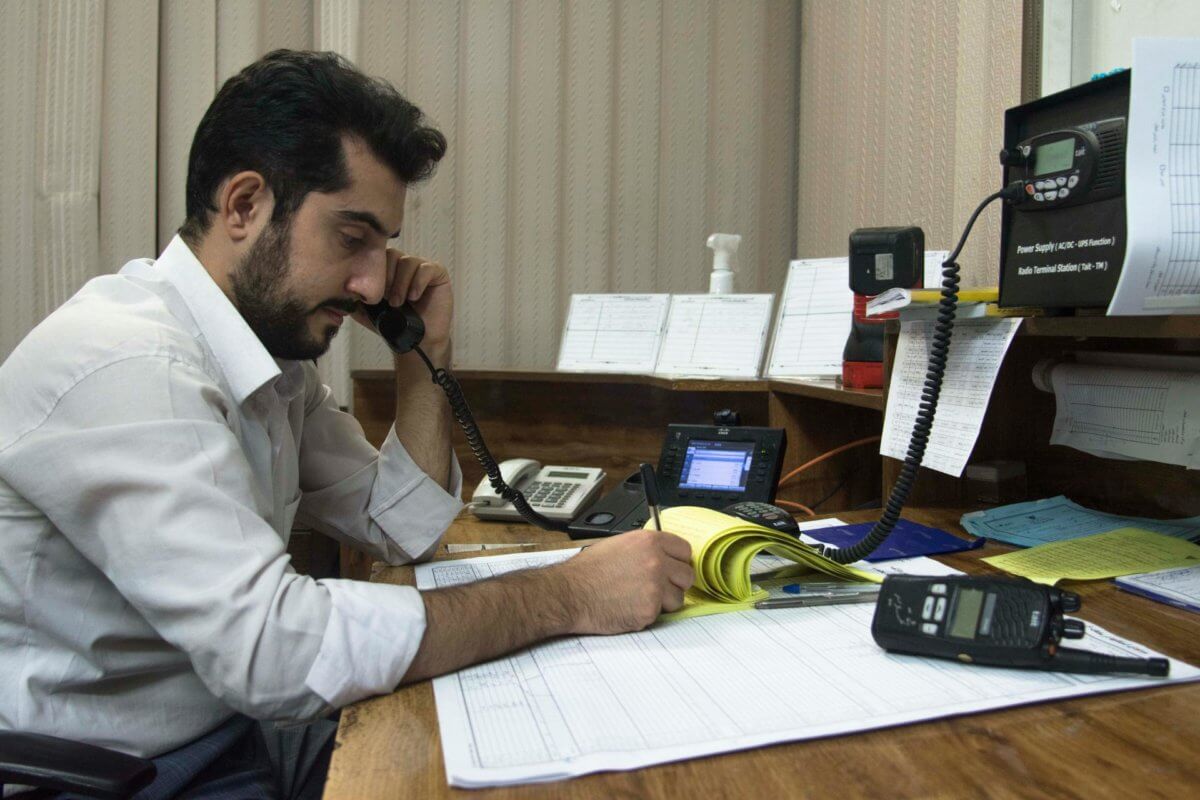
Filling in paperwork, especially forms we have to send to the tax office, is a stressful experience for many. Deadlines, amounts, requirements about how returns must be submitted - here you will find out what to pay attention to when filing taxes in the UK.
Summary & key takeaways
- Self Assessment applies to the self-employed, company directors and people with foreign income, among others.
- The UK tax year runs from 6 April to 5 April of the following year.
- Paper returns are due by 31 October and online returns by 31 January.
- Anyone registered as self-employed must file a return even with zero income.
- Keep records of your earnings — they may entitle you to a tax refund.
How and when to file your tax return?
To file your taxes correctly, you first need to make sure you are in the group of people required to do so, because this obligation does not apply to everyone. The basic form of taxation is PAYE (Pay As You Earn), but if your situation is more complicated, you will need to file through Self Assessment. You must consider the second option if:
-
you are self-employed,
-
you are a company director,
-
your income is £100,000 or more,
-
you received income on which no tax was deducted,
-
you have income from abroad,
-
you run a business,
-
you have income from renting out a property,
-
you receive a letter from HMRC asking you to file a Tax Return.
The tax year in the UK starts on 6 April and ends on 5 April of the following year. If you file through Self Assessment, you must submit your return by 31 October (on paper). If for some reason you don’t manage to do this by the deadline, you have a second chance and can file your return electronically by 31 January of the following year.
Remember that you must file a return even with zero income! However, if you have never been registered with HMRC as self-employed, you don’t need to do anything after the end of the tax year.
Make sure you are paying the right amount of tax.
To be sure you are not paying more than you should, you must keep all documents evidencing your income. This is essential for filing correctly if you do it yourself. Also make sure the information you rely on for an accurate return is up to date - filing rules and tax regulations can change from year to year.
Check whether you are due a tax refund.
To be able to claim a tax refund, you must present documents evidencing your earnings. If your employer has not provided them, ask for them to be issued - remember, you have the right to them! The amount of the refund depends on your income, and the wait can take as long as several months (sometimes longer if the tax office needs more information).
You can find detailed information on filing taxes at gov.uk.

Next article
Registering a company in the United Kingdom
Registering a company in the United Kingdom is a popular choice that more and more entrepreneurs are making. No wonder - in every...
Read article